


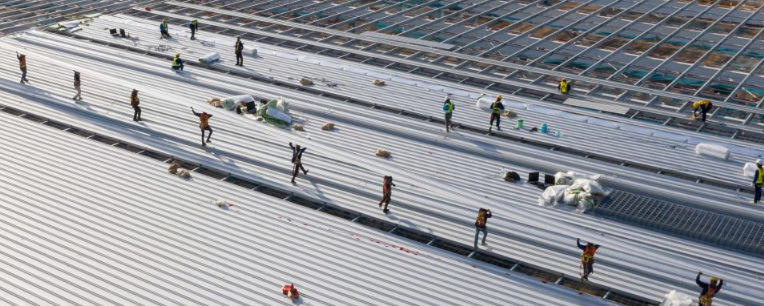
Commercial Roof Installation in Cherokee Gardens Kentucky
Got plans for a Affordable new commercial roof in Cherokee Gardens, KY? Take a look at TPO versus EPDM, throw metal into the mix, then stack them up against modified bitumen. Costs shift depending on which one you pick. Time needed changes too – some go up fast, others take longer. Rules set by local code might sway your choice just as much as price does.
Putting in a fresh roof at a business site ranks among the biggest costs a landlord deals with. Around Cherokee Gardens, Kentucky – part of Louisville where old storefronts stand beside modern shops – the kind of roof picked shapes more than just looks; it shifts power use and what insurers charge. If you run a storage facility close to Bardstown Road or hold title to a clinic near Cherokee Parkway, clear details matter far more than flashy talk.
Out here in Jefferson County, every building tells its own story. Picture this: roof angles change everything – steep ones shed rain faster, while flat tops hold water longer. Think about machines humming overhead; they push heat down, altering how roofs behave. Crews walking around daily? That wear piles up over time. Then there is weather – freezing winters, sticky summers – it all adds pressure. Materials react differently under such stress. Some crack early. Others warp when hot. The way things go together matters just as much as what you lay down. How stuff gets nailed or glued shifts performance big time. Money talks too – prices shift block by block. A quote downtown won’t match one near Bardstown Road. Finding someone sharp on Cherokee Gardens quirks means asking who’s patched porches on Oak Avenue last spring.Professional new commercial roof in Cherokee Gardens, KY
Cherokee Gardens Companies Choose Durable Roofs
Out near downtown Louisville, Cherokee Gardens bakes under thick summer air – moisture often pushing past eighty percent. Winter snaps back hard, cold dipping below zero many mornings. Such sharp shifts wear down roofing much faster than in softer regions. When a flat roof goes up wrong, problems like water seeping through show by year five. Yet one built right? It stands solid two and a half decades, even three, if someone keeps an eye on it now and then.
Most property managers here wait until roofs wear out, get hit by storms, or need updates before replacing them. Not long ago, a trade group found TPO covers four out of ten new flat-topped buildings nationwide, while rubber membranes appear on just over two in ten, and asphalt blends show up one time in eight. What drives this? Materials that save power, last through hot summers and icy winters, and go up fast seem to be winning across Kentucky.
Insurance checks are getting tougher for neighborhood shops too. Still, each one handles it differently now
Most insurance companies require a close look at rooftops prior to extending business plans. When shingles crack or sag, costs often rise – sometimes coverage vanishes altogether. Getting fixes done early shields both structure and budget over time.
Roofing Materials for Kentucky Weather
Start by thinking about how materials behave when faced with Louisville weather. Summers here bring heat paired with muggy air, while winters often turn sharp with icy snaps. A solid roof stays intact even as temperatures swing wildly day to night. Sunlight beats down hard, demanding resistance to fading and warping. When water freezes then thaws repeatedly, weak spots begin to split open unless built to flex. Each joint needs to hold tight despite constant stress.
White single-ply roofing made of TPO now leads most new business buildings. Because it bounces back sunlight, indoor temps stay cooler through sticky Kentucky summers. Though seams are fused using heat, they end up tight and sealed against leaks. In areas such as Lexington or Louisville, prices run $6 to $12 for each foot covered. Flat rooftops – think storage units or stores – are where this material really holds up.
Made by people in labs, EPDM looks like thick black sheeting used on roofs. Cold does not make it stiff, helpful when winter hits hard in places like Cherokee Gardens. When first put down, it often asks for less money than TPO. Over time, it holds up well – two and a half decades, sometimes more. Dark stuff soaks up sun warmth, raising indoor heat during hot months. A shiny top layer helps block that effect.Top new commercial roof in Cherokee Gardens, KY
Some folks call it modified bitumen – basically asphalt strengthened with either polyester or glass fibers. Laid down by workers in several stages, often with flames or heated tar. Tough enough for people walking over it now and then. Fixing damaged spots does not take much effort at all. That is why rooftops needing regular AC unit checks tend to use this stuff. Price lands between five and eight dollars for each foot measured flat. Lasts less time compared to those one-layer roofing sheets though.
Commercial Roof Installation Process
Weeks pass before setup finishes – size of structure, kind of materials, conditions outside all stretch the timeline. Knowing what comes next lets people work around sound, truck arrivals, short-term path shifts affecting workers or renters.
First up, check everything closely before removing it.
Out comes the old stuff once the lookover finishes
Out comes the old roof until just the base layer remains. Checking now – soft wood, corroded metal, weak concrete – are any of these hiding underneath? Fixing what’s broken happens first, always, prior to fresh layers arriving. For a standard 10,000-square-foot structure, count on two full days minimum, sometimes stretching past four.
Phase two: substrate preparation.
Smooth surfaces start with cover boards set by the crew. These layers, often made of polyiso or gypsum, block tears during rooftop work. Load spread under heavy equipment gets easier because of them. Fire safety rises when these materials go down. Thickness of insulation ties directly to meeting local energy rules. Code checks depend on how deep that layer runs.
Phase three: membrane installation.
Out on the roof, workers unroll big sheets for TPO or EPDM – then secure them either by screws or glue. Seams get sealed differently: hot air fuses TPO joints while EPDM relies on sticky tape and prep coating. With modified bitumen, flames melt layers into place, one strip laid over another. Only trained hands should handle these jobs, people who’ve studied the maker’s rules closely.
Phase four: detailing and flashing.
Where vents, pipes, skylights, or HVAC curbs punch through the roof, flashing is made to fit. Leaks often begin at these spots, which means careful work counts. Workers secure joints using sealants that match the materials, taking care they bond well. At wall intersections, termination bars go in place to lock the edge down.
Inspection happens next. After that comes warranty sign-up. Checks come before paperwork. Paperwork follows once checks finish. Step five means both seeing it and logging it.
A rooftop upgrade for business buildings in Louisville needs official permission, also any major changes to the frame. After the work finishes, the builder lines up a check with the city’s codes office. When that passes, they file the product guarantee from the maker, and hand you papers to keep.Trusted new commercial roof in Cherokee Gardens, KY
Commercial Roof Installation Prices in Cherokee Gardens
Cost changes depending on size, what stuff you pick, how hard it is to reach the roof, also if old layers must come off completely. Statewide numbers from ProMatcher show most people pay around $187.45 every hundred square feet for basic asphalt shingle work, whereas metal standing seam hits about $767.64 per hundred. In Louisville, business roof permit costs shift according to how much the job is worth. Any change impacting structure, exits, or core building functions there means a permit is needed. Permits? That’s something your builder ought to sort out themselves, rolling the cost into the quoted price. Good outfits won’t slap you with extra charges later just because paperwork came up.
Louisville pays workers a bit less than most places across the country
Hourly fees for local roofers range from fifty one to sixty six dollars, sitting under the country’s typical rate of seventy eight. Still, jobs on business buildings need teams trained in single-ply methods – those skills bring steeper prices than standard home shingle tasks.
Fees might drop because of tax perks
Most times, a white roof might save money under government rules. Look at TPO materials or coated rubber types – they usually fit the criteria. Check with someone who knows taxes before deciding. That roofing worker you hire? They should know if it counts.
Choosing a Commercial Roofing Contractor in Cherokee Gardens
Just because a business says it does commercial projects doesn’t mean it knows big jobs. A few roofers who usually fix homes try bigger buildings but lack tools or enough workers. Watch out for those gaps when picking someone you can trust.
Verify manufacturer certifications.
Not every crew gets the green light from big names such as Carlisle, Firestone, or GAF – only those who finish product-specific training. When installers have official approval, longer or stronger warranties often come along for the ride, something uncertified teams can’t provide. Proof? Request a look at up-to-date certification cards before work begins.
Start by looking into past work for business builds. Sometimes it helps to see who they’ve worked with before
Out near finished projects, take a slow drive by when you can. Check that seams meet neatly, flashings fit just right, panels run true. Past customers might mention if work stayed on schedule. They could also tell you how surprises – like harmed decking – were managed.
Review insurance and bonding.
Most times, business jobs mean bigger risks compared to homes. Get proof of insurance – look for a minimum of one million dollars in general coverage, along with worker injury protection. When helpers on site lack insurance, anything on your land could be exposed.
A clear outline shows what needs doing. Work steps appear in order here
Membrane type and how thick it must be needs to show up in the plan. Insulation performance, spelled out by its R-value, belongs there too. How things get secured changes outcomes – that detail matters. Flashing around edges? Specifics make a difference. Warranty conditions need clear lines, not guesses. Who handles the mess after work ends has to be named. Skip bids that only state “put on a new roof” without depth
Understand the warranty structure.
One kind of promise comes from the maker of roof materials, another from the crew that installs it. Depending on how thick the roofing layer is, plus the design used, product coverage might last anywhere from a decade up to three times that long. The people who put it together usually back their labor for between two and ten full years. Find out exactly which problems are included under each deal. Watch out – some actions cancel the protection entirely.
Frequently Asked Questions
How long does a commercial roof installation take in Cherokee Gardens?
Weeks two through six cover most project timelines, shaped by how big the structure is, what materials are used, followed closely by outdoor conditions. Three weeks? That often fits a 10,000-square-foot TPO job start to finish – removal included, inspection too.
Permit rules depend on local laws – Louisville requires one for replacing roofs on business buildings. Work must meet city codes before starting any job there. Officials inspect changes later to confirm standards are followed. Property owners handle paperwork unless someone else takes charge. Getting approval first avoids delays down the line.
Permits are needed in Louisville Metro whenever a business changes something tied to the structure, utilities, or how the space is used. That rule applies if walls, electrical setups, or room functions get modified during renovations. Work like adding floors, shifting load-bearing parts, or turning offices into retail spaces falls under this requirement. Even upgrades involving plumbing, heating, or exits demand approval beforehand. The city checks these projects to ensure safety standards stay intact through construction updates
FAQS
What roof type holds up best through Kentucky weather?
Most folks see standing seam metal hold up for four decades, sometimes stretching past sixty. When cared for right, EPDM sticks around a quarter to three-tenths of a century. TPO tends to match that timeline, give or take. Modified bitumen? It usually clocks in between fifteen and twenty full turns of the calendar.
TPO Or EPDM For Commercial Roof In Cherokee Gardens?
Most of summer’s heat bounces off TPO roofs because they’re light colored. When winter bites hard, EPDM stays stretchy through sudden chills. Cold snaps don’t crack it like stiffer materials might
Can I install a new commercial roof over my existing one?
Now and then, rules permit a second layer – provided the current roof stays solid and supports extra load. Yet piling it on masks rot beneath, dragging down how long the top cover lasts. When things go wrong underneath, they stay hidden longer.
What questions should I ask before signing a commercial roofing contract?
Start by checking what credentials the builder holds. Insurance coverage needs a close look at maximum amounts. How long the job takes often depends on team size. Brand names matter when picking materials along with how thick they are. Insulation performance shows up in its R-number. Permits might be handled by you or them. Warranty details can change everything down the road. When payments happen should match milestones reached
How do I maintain a commercial roof after installation?
Twice a year, plan checkups – one when seasons shift toward warmth, another as cold sets in. Every three months, take time to empty downspouts and roof channels. When winds calm and skies clear post-storm, pick up leftover mess from rooftops
Does a new commercial roof lower my insurance premiums?
Most times, that’s right. Insurance companies see fresh roofs as less likely to leak or grow mold. Things like TPO cool roofing might cut costs more since they ease stress on climate systems from sun heat
Conclusion
Roofing a business building costs plenty, yet doing it properly means fewer worries down the road. Look everything over first, weigh each material without bias, while choosing someone who has actually worked on similar jobs around Jefferson County. Often, the low-priced option ends up costing more later.Reliable new commercial roof in Cherokee Gardens, KY
Start here if you’re looking for folks who’ve worked on homes just like yours in Cherokee Gardens. Bluegrass Brothers Roofing Contractors get how permits work around these parts. They’ll come by without charge to check things out. Picking new materials? They guide you through each choice step by step.