

Roof Inspection for Homes in Middletown, KY
Need a Affordable roof inspection for your home in Middletown? Learn costs, inspection types, Kentucky code requirements, and how to choose the right contractor.
Middletown sits in eastern Jefferson County, Kentucky, just outside Louisville. The area sees hot, humid summers, cold winters with ice and snow, and spring storms that can drop hail the size of golf balls. That weather mix takes a toll on residential roofs, especially the asphalt shingle systems common on homes in neighborhoods like Meadowview, Wildwood, and the historic district near Main Street.
So why do local homeowners schedule regular roof inspections? The reasons are practical. A leaking roof damages drywall, flooring, and personal belongings. It creates slip hazards for family members. And it drives up energy bills when insulation gets soaked and loses its R-value. According to the National Roofing Contractors Association (2024), residential roofs should be inspected at least twice a year — in spring and fall — plus after every severe storm.
The cost of an inspection is tiny compared to the cost of neglect.
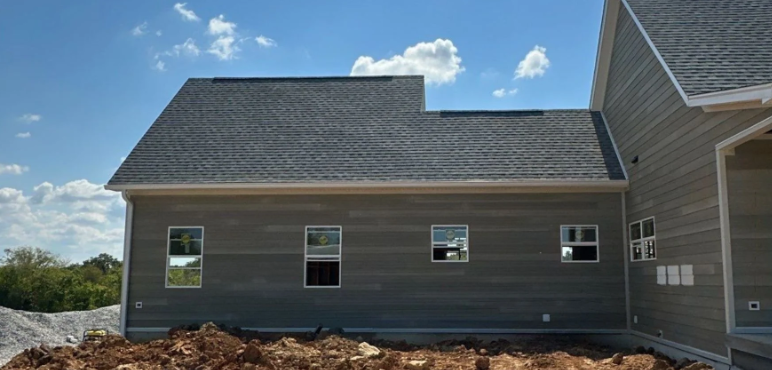
A professional roof inspection in the Louisville metro area costs $100 to $400 on average. Emergency repairs after a leak can run $1,000 to $5,000. A full roof replacement on a typical home starts at $8,000 and climbs past $20,000 for larger properties. Catching problems early keeps small issues from becoming budget-breaking disasters.Professional roof inspection for your home in Middletown
For homeowners in Middletown, inspections also matter for insurance and warranty compliance. Most shingle warranties require documented annual inspections to remain valid. Insurance carriers may deny claims for water damage if the policyholder cannot prove regular maintenance. A roof inspection is not just maintenance. It is risk management for your biggest investment.
Types of Roof Inspections and What They Reveal
Not every inspection is the same. The method you choose depends on your roof’s size, condition, and the level of detail you need.
Drone surveys have grown popular for steep or complex roofs.
A licensed drone operator captures high-resolution photos and video of the entire roof surface. This method is faster, safer, and provides documentation that visual inspections cannot match. Drones excel at spotting storm damage, missing fasteners, and membrane separations on roofs too steep to walk safely.
Infrared thermal scanning uses specialized cameras to detect temperature differences across the roof surface. Wet insulation retains heat longer than dry insulation, creating hot spots that the camera captures. This method finds hidden moisture that visual inspections miss. For low-slope sections common on ranch homes in Middletown, infrared scanning is the most reliable way to detect subsurface leaks before they reach the ceiling.
HAAG-certified assessments involve inspectors trained specifically in damage evaluation for insurance claims. They identify hail impact marks, wind uplift patterns, and manufacturer defects that standard inspectors might miss. In Louisville’s spring hail season, this certification matters when filing claims.
A licensed contractor in Middletown told us that inspection method matters more than most homeowners realize. “We see homes where the owner skipped inspections for five years, then called us when water stained the ceiling. By then, the decking was rotten and the insulation was saturated. A $150 annual inspection would have caught the leak when it was just a loose shingle.”
The Step-by-Step Process of a Residential Roof Inspection
Here is what actually happens when a professional crew inspects your home roof.
First, the inspector reviews your roof’s history.
They ask about the installation date, previous repairs, warranty status, and any known leak locations. They check building plans to understand the roof’s square footage, slope, and material type.
Next, they conduct a visual assessment from the ground.
They look for sagging gutters, displaced downspouts, missing fascia, and debris buildup. They note any trees overhanging the roof that could cause damage.
Then, they access the roof.
For walkable roofs, this means a ladder and safety harness. For steep pitches, they may use roof jacks or recommend a drone survey. Safety protocols require harnesses, guardrails, or warning lines for roofs with edges higher than six feet.Top roof inspection for your home in Middletown
On the roof, they examine the shingles or membrane.
They look for curling, cracking, blistering, and granule loss. They check flashings around chimneys, vents, pipes, and skylights. They inspect valleys and drainage paths for clogs. They verify that ridge vents and soffit vents are clear and functioning.
After the exterior, they inspect the interior.
They look at ceiling tiles for water stains, check attic spaces for moisture and mold, and verify that exhaust fans and ventilation systems are functioning. Kentucky building code requires a 1:150 ratio of ventilation to attic space for proper airflow. Poor ventilation causes heat and moisture buildup that shortens roof life.
The inspector documents everything with photos and notes.
They create a written report with findings, recommendations, and repair estimates. Most reports arrive within one to two business days. The report becomes your maintenance record for warranty and insurance purposes.
What Home Roof Inspections Cost in the Louisville Metro Area
Let’s talk numbers. Costs in Middletown and the surrounding Louisville metro area reflect local labor rates, roof complexity, and the inspection technology used.
Several factors push costs up.
Roof size is the biggest driver. Larger roofs take more time to inspect thoroughly. Accessibility matters too. Roofs with limited ladder access, steep pitches, or heavy HVAC equipment require more setup time and safety gear. Advanced technology like drones and infrared cameras adds cost but delivers data that visual inspections cannot.
The return on investment is clear.
According to industry data, every dollar spent on preventive roof maintenance saves five dollars in future repair costs. For a home with a $15,000 roof, spending $300 per year on inspections and minor repairs can add five to ten years to the roof’s life.
A realistic example: A homeowner near Middletown’s historic district scheduled biannual visual inspections. During the fall inspection, the contractor found a separated flashing near a dormer and a partially clogged valley. The repairs cost $650. Without the inspection, the flashing would have leaked through winter, saturating the insulation and decking. The avoided damage was estimated at $6,000. Trusted roof inspection for your home in Middletown
How to Choose the Right Roof Inspection Contractor in Middletown
Not every roofer who offers “free inspections” delivers professional results. Here is how to find a contractor who will protect your property and your budget.
Verify licensing first. Kentucky requires roofing contractors to hold a state license. Ask for a license number and check it with the Kentucky Department of Housing, Buildings and Construction.
Look for residential experience.
A contractor who handles roof inspection for homes in Middletown — like Bluegrass Brothers Roofing Contractors — will understand the local permit process, know which materials withstand Kentucky’s freeze-thaw cycles, and carry the trade-specific insurance that commercial-only roofers often skip.
Ask about their inspection technology.
Do they offer drone surveys? Can they perform infrared thermal scanning? A contractor with multiple tools can match the inspection method to your roof’s specific needs.
Request a sample report before hiring.
A professional inspection report includes photos, detailed findings, repair recommendations with cost estimates, and a maintenance timeline. Vague one-page summaries are a red flag.
Check their knowledge of local codes.
Kentucky building code requires ice and water shield underlayment at eaves and valleys, extending 24 inches inside the exterior wall line. It mandates proper attic ventilation and corrosion-resistant flashing. A contractor who cannot cite these requirements is not qualified to inspect your roof.
Verify insurance coverage.
Ask for certificates of liability and workers’ compensation directly from the carrier. Residential roof work involves heights, heavy equipment, and liability risks. You want proper coverage.
Ask about maintenance programs.
Reputable contractors offer annual or biannual inspection plans that include priority scheduling, discounted repairs, and extended warranties. These programs turn reactive maintenance into proactive protection.
Frequently Asked Questions
How much does a roof inspection cost for a home in Middletown?
Visual inspections for single-story homes cost $100–$200. Two-story homes run $150–$300. Drone surveys cost $150–$400. Infrared scans run $400–$600.
How often should I inspect my home roof in Kentucky?
The National Roofing Contractors Association recommends twice yearly — spring and fall — plus after severe storms.
Do I need a permit for a roof inspection in Jefferson County?
No. Permits are not required for inspections. But if the inspection reveals damage requiring repairs or replacement, Jefferson County may require a permit for the work.
What does the Kentucky building code require for residential roofs?
Kentucky adopts the International Residential Code with state amendments. Requirements include ice and water shielding at eaves and valleys extending 24 inches inside the wall line, corrosion-resistant flashing, and attic ventilation at a 1:150 ratio.
Can a drone inspection replace a physical walkover?
Drones provide excellent documentation and access hard-to-reach areas, but they cannot replace a hands-on assessment entirely.
What is infrared thermal scanning and when do I need it?
Infrared cameras detect temperature differences caused by trapped moisture in the roof assembly. Wet insulation shows as hot spots. This method is ideal for low-slope sections and older roofs where leaks hide beneath the surface.
How long does a residential roof inspection take?
A visual inspection of a typical home takes one to two hours. Larger or more complex roofs take two to four hours.
What should I do if the inspector finds damage?
Request a written report with photos and repair estimates. Prioritize repairs that prevent water intrusion. Get quotes from two or three contractors for comparison.
Does regular inspection extend my roof’s warranty?
Yes. Most shingle warranties require documented annual or biannual inspections to remain valid.
What are the signs my home roof needs immediate attention?
Water stains on ceiling tiles, musty odors in the attic, visible sagging, ponding water that remains 48 hours after rain, and loose or missing flashing all signal urgent problems.
How do I prepare my home for a roof inspection?
Clear roof access paths. Notify family members about ladder or hatch use. Gather roof history documents including installation records, previous inspection reports, and warranty information.
Can I inspect my own roof?
You can perform basic visual checks from the ground or through windows. But climbing onto a residential roof requires fall protection training and safety equipment.
Conclusion
A home roof in Middletown faces Kentucky’s full range of weather — summer heat, winter ice, spring hail, and year-round humidity. Waiting for a leak to appear before acting is a costly gamble. Regular inspections catch problems early, protect your warranty, and keep your family safe and dry. Expert roof inspection for your home in Middletown