

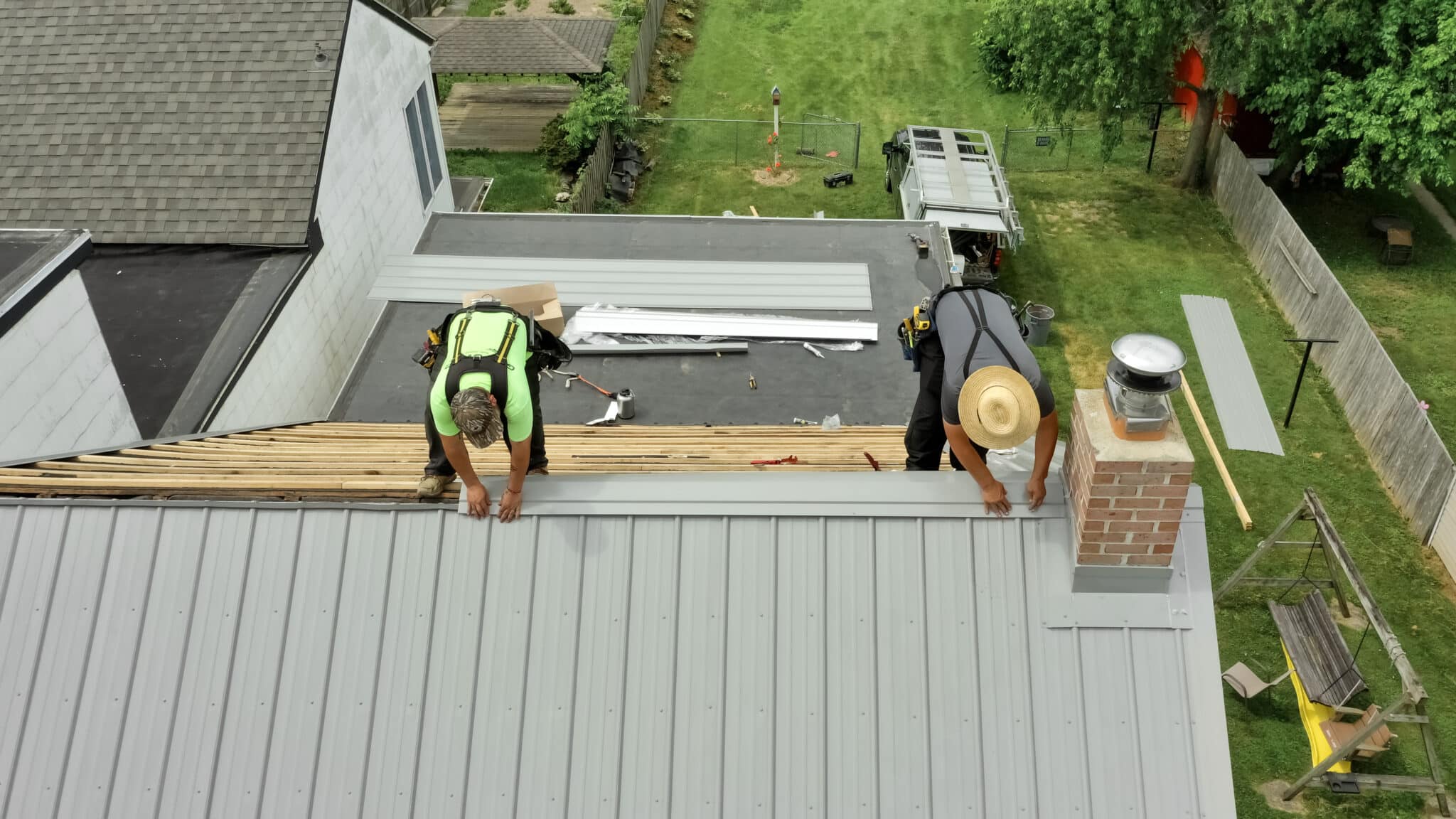
New Roof Installation in Goshen, KY | Signs & Planning Guide
Planning roof installation in Goshen, KY? Learn replacement signs, material choices, inspection steps, and what to expect from professional roofing work.
When Is It Time to Consider a New Roof Installation?
A roof protects the structure beneath it from rain, wind, temperature changes, and other outdoor conditions every day. Over time, roofing materials naturally wear down, flashing can loosen, drainage problems may develop, and repeated repairs can become less practical. Knowing when an existing roof has reached the point where replacement makes more sense can help property owners plan ahead instead of reacting to a major leak.
Bluegrass Brothers Roofing Contractors provides residential and commercial roofing services throughout Louisville and surrounding Kentucky communities. The company works with roof installation, inspection, repair, metal roofing, flat roofing, slate, and several commercial roofing systems.
A new roof should not be recommended simply because one small problem appears. The condition of the entire roofing system, frequency of repairs, material deterioration, drainage, flashing, and the structure beneath the roof should all be considered before deciding on replacement.
Signs an Existing Roof May Be Reaching the End of Its Service Life
Roof deterioration often develops gradually. Homeowners may first notice a small leak or missing roofing material, while other signs remain less obvious from ground level.
Common conditions worth having inspected include:
- Repeated leaks in different areas
- Missing, cracked, curled, or damaged shingles
- Loose or deteriorated flashing
- Visible sagging or uneven roof sections
- Frequent repairs that no longer provide lasting results
- Moisture stains appearing on ceilings or walls
- Roofing materials showing widespread deterioration
- Recurring problems around valleys, vents, chimneys, or roof edges
- Storm damage affecting several sections of the roof
One damaged shingle or a localized flashing problem may only require repair. Widespread deterioration, however, can indicate that continuing to patch individual areas is no longer the most practical approach.
What Happens Before a New Roof Is Installed?
Professional roof installation services should begin with an evaluation of the property rather than immediately selecting materials.
The roofer needs to understand the roof’s structure, slope, drainage pattern, existing materials, ventilation, flashing locations, and any visible problem areas. Bluegrass Brothers Roofing states that its installation process considers factors including property structure, material selection, insulation, slope, drainage, and long-term performance.
An inspection can also help determine whether deterioration is limited to the visible roofing material or whether underlying components require attention.
Planning before installation is important because the roofing system includes more than the outer surface. Decking, underlayment, flashing, ventilation, drainage, penetrations, and edge details all contribute to how the finished roof performs.
Choosing Roofing Materials for a Property
There is no single roofing material that is ideal for every home or commercial building. Material selection should consider the building design, roof slope, appearance, maintenance expectations, budget, and long-term performance goals.
Asphalt Shingles
Asphalt shingles are commonly used on residential properties because they are available in many styles and can work with a wide range of pitched roof designs.
Installation quality is especially important around valleys, roof edges, vents, flashing, and other transition points where water must be directed away from the structure.
Metal Roofing
Metal systems can provide a durable option for both residential and commercial properties when properly matched to the building and installed correctly.
Fastening systems, panel alignment, flashing, penetrations, and water management all require careful attention during installation.
Slate Roofing
Slate provides a distinctive appearance and can offer long-term performance, but the structure must be suitable for the selected roofing system.
Professional evaluation helps determine whether the existing building and roof design can support the material.
Flat and Low-Slope Roofing
Flat and low-slope roofs require different water-management strategies than steep-slope residential roofs. Drainage, membrane seams, penetrations, flashing, and transitions become especially important because water moves across these roofs differently.
The company also lists TPO/PVC, EPDM and rubber roofing, built-up roofing, standing seam metal, and flat-top roofing among its commercial services.
Why Roof Decking and Underlayment Matter
The visible roofing material is only one part of the roof assembly.
Roof decking creates the structural surface supporting the roofing system. During replacement, exposed decking should be evaluated for deterioration, moisture damage, or areas that may no longer provide a dependable fastening surface.
Underlayment provides an additional protective layer beneath the primary roofing material. Its exact role and installation method depend on the roofing system being used.
Installing new roofing over compromised underlying materials can leave existing problems unresolved. This is why the condition beneath the old roof becomes an important part of a professional replacement project.
Property owners considering roofing services in Goshen, KY can benefit from having the overall roofing assembly evaluated rather than focusing only on the visible surface. The company’s Goshen page includes residential and commercial roofing solutions and emphasizes drainage, flashing, structural requirements, and material compatibility.
How Flashing Helps Protect Vulnerable Roof Areas
Some of the most important parts of a roof are the transitions where roofing materials meet walls, chimneys, vents, valleys, edges, and other penetrations.
Flashing helps direct water away from these vulnerable areas.
If flashing is damaged, improperly positioned, or deteriorated, water can enter even when the surrounding roofing material still appears to be in reasonable condition.
During a roof installation, these details should be inspected and addressed as part of the overall system rather than treated as minor finishing work.
Proper water management depends on each roofing component working together.
Why Roof Drainage Should Be Considered During Installation
Rainwater needs a clear path away from the roof and building.
Roof slope, valleys, gutters, downspouts, drains, and other drainage components influence where water travels after it lands on the roofing surface.
Poor drainage can allow water to collect in unwanted areas, increase moisture exposure, and place additional stress on vulnerable roof sections.
Before a new roof is installed, contractors should consider how water currently moves across the property and whether visible drainage concerns need to be addressed as part of the project.
Flat and low-slope roofs require particularly careful drainage planning because they do not shed water as quickly as steep roofing systems.
Roof Ventilation Is Part of the Larger Roofing System
Ventilation is another factor that should be considered when evaluating a roof.
A properly designed roofing system needs to account for airflow and moisture conditions within the building and attic areas where applicable.
Roof replacement can provide an opportunity to evaluate existing ventilation components and determine whether they are appropriate for the roof design.
Simply replacing shingles or another surface material without considering surrounding roof components can overlook issues that influence long-term performance.
Because properties vary significantly, ventilation recommendations should be based on the actual building rather than a one-size-fits-all approach.
Repair or Replace: How Do You Decide?
Not every roof problem requires replacement.
A professional repair may be appropriate when damage is limited to a small area and the surrounding roofing system remains in serviceable condition.
For example, isolated flashing damage, a small number of missing shingles, or one localized leak may be repairable.
Replacement becomes more reasonable when deterioration affects a larger portion of the roof, multiple leaks keep developing, or repairs are becoming frequent.
The decision should consider:
- Overall condition of the roofing material
- Location and extent of damage
- Condition of decking and underlying components
- Number and frequency of previous repairs
- Water intrusion history
- Structural concerns
- Planned use of the property
- Compatibility of replacement materials
A thorough inspection can provide the information needed to compare repair with replacement instead of making the decision based only on one visible symptom.
Why Professional Installation Matters
Roof installation involves work at height, material handling, fastening, flashing, drainage, ventilation, and structural considerations.
Small installation errors may not cause an immediate leak. Some issues only become noticeable after repeated rain, strong wind, seasonal movement, or gradual material wear.
Professional installation focuses on how individual roofing components connect and perform together.
Roofing contractors should also follow appropriate safety procedures throughout removal and installation. Property owners should avoid climbing onto steep or damaged roofs themselves because loose materials, wet surfaces, and weakened sections can create serious fall hazards.
Planning Roofing Work Around Your Property
Roof replacement can temporarily affect normal activity around a home or commercial building.
Before work begins, property owners can prepare by clearing vehicles and movable items away from the immediate work area. Outdoor furniture, decorations, and fragile objects near the building may also need to be relocated.
Inside the property, vibrations from roofing work can sometimes affect loosely positioned items, especially on upper floors or attached walls.
Clear communication before installation helps property owners understand where crews will work, how materials will be delivered, and what areas should remain accessible.
For those considering professional roofing services in Prospect, KY, evaluating the roof before major deterioration develops can provide more time to compare repair and replacement options rather than making decisions after extensive water intrusion. The Prospect area page confirms the company serves property owners there with roofing services.
What Should You Ask Before Choosing a Roofing Contractor?
Choosing a contractor involves more than comparing the initial project price.
Ask what roofing system is being recommended and why it is appropriate for your property. You should also understand how damaged decking, flashing, ventilation, drainage, cleanup, and unexpected conditions will be handled.
Useful questions include:
- What roofing material is recommended for this property?
- Will the existing roof be removed?
- How will exposed decking be evaluated?
- How are flashing and roof penetrations handled?
- What ventilation components will be reviewed?
- How will debris and old roofing materials be removed?
- What happens if hidden damage is discovered?
- What maintenance will the new roofing system require?
Clear answers make it easier to understand what the proposed installation actually includes.
When Should You Schedule a Professional Roof Evaluation?
Consider having the roof professionally assessed when visible deterioration becomes widespread or problems begin recurring.
An inspection may be appropriate when:
- Roof leaks repeatedly return
- Multiple roofing sections appear damaged
- Shingles or other materials are deteriorating
- Flashing is visibly loose or damaged
- The roof appears uneven or sagging
- Storm damage is suspected
- Previous repairs are becoming increasingly frequent
- You are planning renovations or property improvements
- You are unsure whether repair or replacement is appropriate
Waiting for water to enter the living space is not the only way to determine that a roofing problem exists. Exterior deterioration and recurring maintenance concerns can provide earlier warning signs.
Conclusion
A successful roof installation begins long before new roofing material is placed on the structure. Evaluating the existing roof, checking underlying components, selecting appropriate materials, planning drainage, addressing flashing, and considering ventilation all contribute to the finished roofing system.
Some roof problems can still be corrected with targeted repairs, while widespread deterioration or recurring failures may make replacement the more practical option. A professional roof evaluation can help property owners understand the condition of the existing system and determine what work is actually needed.
If your roof is developing repeated leaks, damaged materials, drainage concerns, or widespread wear, addressing those conditions early can provide more time to plan the next step and protect the structure beneath the roof.
Frequently Asked Questions
How do I know whether I need roof repair or a full replacement?
Localized damage may be repairable when the rest of the roofing system remains in good condition. Replacement may make more sense when deterioration is widespread, leaks keep returning, or several areas require frequent repairs.
What should be inspected before a new roof is installed?
A professional evaluation may include the roofing material, decking, flashing, drainage, ventilation, roof penetrations, slope, structural condition, and visible signs of previous water intrusion.
Can damaged roof decking be covered with new roofing material?
Compromised decking should be evaluated before new roofing is installed. Damaged or deteriorated sections may not provide a dependable base for the new roofing system and may need corrective work first.
Which roofing material is best for my property?
The appropriate material depends on factors such as roof slope, building design, structural requirements, appearance, budget, maintenance expectations, and whether the property is residential or commercial.
Why is flashing important during roof installation?
Flashing helps manage water around vulnerable areas such as chimneys, walls, valleys, vents, and other roof penetrations. Poorly installed or deteriorated flashing can allow moisture to enter the roofing assembly.
When should I have my roof professionally evaluated?
Consider an evaluation when you notice recurring leaks, missing or damaged roofing materials, deteriorated flashing, sagging areas, storm damage, moisture stains, or repairs that repeatedly fail to solve the problem.