


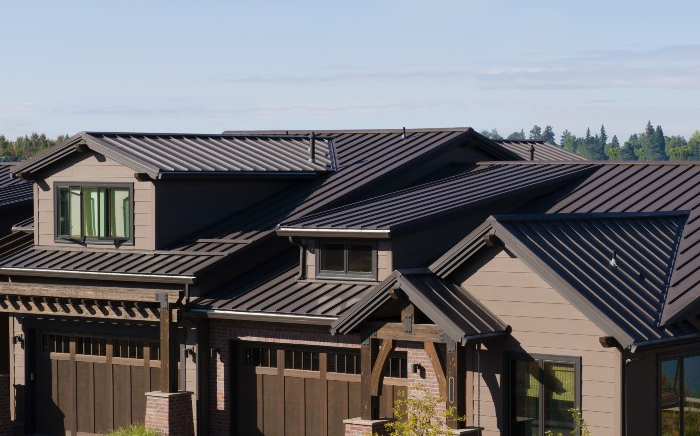
Commercial Roofing in Louisville Kentucky
Affordable Roofing choices in Louisville? Think through materials like TPO or metal before deciding. Costs shift based on what you pick – EPDM might surprise you. Modified bitumen handles Kentucky weather a certain way. One thing after another matters when picking a pro to hire. Weather plays a role, so material fit is key.
Most folks who own buildings around here pick their roof type by thinking about power bills, upkeep time, plus how many seasons they’ll stay put. Take someone running a storage depot in Butchertown – they care less about curb appeal than the person handling a clinic down in St. Matthews. When you know what kinds exist, costly blunders fade away while your rooftop lasts much longer.
Commercial Roofing Options for Louisville Buildings
Summer heat hangs heavy over Louisville, then winter brings icy shifts that bend materials out of shape. When temperatures swing like this, roofs face serious stress from swelling and shrinking alike. Materials need to stay strong whether soaked in humidity or locked in frost. What holds up best? Local builders often turn to four specific types when replacing flat commercial tops. Each one fights moisture in its own way while standing firm under long sun exposure Top Roofing choices in Louisville
Roofs get tough when people walk across them a lot or roll gear over the surface. A layered mix of asphalt handles those hits more reliably compared to thin sheet-style covers. Places like diners, stores, and factories benefit because workers climb up often to check things. Toughness matters most where activity never really slows down.
The Commercial Roofing Process Explained
Start by checking the weather forecast – timing matters when work can’t get rained out. Crews arrive early, setting up barriers before anyone steps on the roof. Old layers come off slowly, piece by piece, so debris does not pile up fast. Inspectors move in once the deck is bare, looking for rot or warping underneath. Materials show up midweek, delivered close to where they will go. Flashing gets replaced first near vents, edges, corners – spots most likely to leak. The new membrane rolls out smoothly, sealed at seams with careful heat. Final walkthrough happens after cleanup, verifying every detail matches code. Fewer interruptions happen when each step follows without rushing
One day maybe two – that is how long assessments usually take. Decking gets examined closely by contractors before they start measuring area size. Instead of guessing, they map out where vents sit along with AC units and roof windows. Signs of soaked materials show up during checks on hidden layers underneath. What lies beneath matters when judging support strength. Depending on what they find, removing everything could be necessary rather than placing new layers over old.
Getting a permit means meeting rules set by the Louisville-Jefferson County Metro Government. When it comes to commercial roofs, structures above certain sizes need plans drawn up by an engineer. The person you hire will send everything in, yet waiting for permission usually runs between five and ten workdays. If a storm hits, quick fixes might start under short-term permits in some cases.
A licensed contractor in Louisville notes that “the biggest mistake owners make is rushing the assessment phase. Water travels – where you see a ceiling stain rarely matches where the leak originates. We spend extra time tracing damage patterns before recommending solutions.”Trusted Roofing choices in Louisville
Commercial Roofing Prices in Louisville Actual Figures
Most times, national numbers don’t match what folks in Louisville really face. Because work pay, supply access, and paperwork charges shift block by block – nothing like big coast towns or highland zones. This is how much roof jobs on bigger buildings truly run around here
Priced between four and six fifty per square foot, EPDM eases spending pressure. That adds up to forty thousand through sixty-five thousand for a ten-thousand-square-foot structure. Cheaper upfront than white TPO, black EPDM shows its downside once warmer months arrive. Cooling demands climb, nudging long-term expenses upward over time.
Starting around six bucks a square foot, Modified Bitumen sits right in the middle of TPO and EPDM pricing. When layered with high-end cap sheets, costs climb close to ten dollars per square foot.
A report from 2023 by the National Roofing Contractors Association shows buildings with regular upkeep see roofs last one-third longer than those fixed only after problems appear.Right Roofing choices in Louisville
How to Find a Reliable Commercial Roofer in Louisville
Some roofers work on houses but do not know how to manage flat roofs for businesses. People tackling these jobs should operate TPO welders, grasp how materials shift with temperature, while holding strong coverage meant for large buildings.
Start by checking if the manufacturer has certified the contractor. Companies like Carlisle, Firestone, or GAF only approve installers who pass strict training. When a worker is certified, they can provide better warranty options. These guarantees are not offered when hiring someone without certification.
Frequently Asked Questions
What’s the typical lifespan of a business rooftop under Louisville weather conditions?
Some folks see TPO and EPDM hold up well – around two decades – if looked after. Roofs made of metal? They often go twice that long.
What permits do I need for commercial roofing in Louisville?
Starting a commercial roof replacement in Louisville-Jefferson County means securing a permit first. When your builder sends in the plans, they include engineering details like how water runs off and what weight the structure supports. Fees show up between two hundred and five hundred dollars, shaped by how big the job is
What’s the price tag on fixing a business rooftop in Louisville?
Fixing small holes in the membrane or redoing seals might set you back between five hundred and two thousand dollars. When it comes to replacing part of the membrane, prices climb, landing anywhere from five grand up to fifteen thousand
Does commercial roofing affect my property insurance rates?
Right. Many insurers cut rates when homes have top-grade fireproofing or new roofs. Yet some tack on fees for aging roofing – or skip coverage if upkeep has been ignored. Tell your agent about how old it is and what shape it’s in. That detail matters.
Can I install a new commercial roof over my existing one?
Occasionally, a second recovery layer gets approved when just one membrane sits below – provided the building supports extra weight. Though rare, local rules may permit it under these conditions
Hot months test any roof. Metal handles the sun well. Clay tiles reflect heat naturally. Some pick slate for a long life. Each choice fights summer stress differently.
On hot days in Louisville, TPO roofs bounce back sunlight thanks to their pale coating. Because of this, buildings stay cooler without working the air systems too hard
How do I know if my commercial roof needs replacement or just repair?
When several leaks show up, along with cracked membranes across large areas or soaked insulation, it usually means a full swap is due. A lone leak here, just one seam coming apart, or small holes might get fixed without replacing everything
What maintenance does a commercial roof require in Louisville?
Twice each year works best for checkups – one when winter’s freeze and thaw ends, another ahead of falling leaves. Every three months, make sure water paths stay free of blockage. When heavy weather passes, sweep away what’s left behind. Yearly, take a close look at where the roof layers join, watching for gaps
How does Louisville’s weather specifically damage commercial roofs?
Besides summer heat, sticky air swells the outer layer until bubbles appear. When winter arrives, frozen chunks pile up near openings, shoving liquid beneath protective sheets. Hail in springtime stabs through weakened surfaces when skies turn rough
Choosing Between TPO and EPDM Roofing for a Louisville Warehouse?
Summer heat hits hard, yet TPO fights it back by cutting cooling bills between twenty and thirty percent – only catch is the steeper starting price. When dollars matter most at purchase time, EPDM steps in quietly, favoring those who weigh immediate expense heavier than future efficiency gains
How fast do emergency roof fixes get done here in Louisville?
When pipes burst, trusted crews show up fast – any hour. Same day fixes keep damage low while waiting. Full solutions? Those line up quickly, often under two weeks’ time, though rain or supply delays might nudge the date. Materials arrive, work follows
What questions should I ask before signing a commercial roofing contract?
Start by naming the companies that make the materials. Find out how long the guarantee lasts and what it covers. Get a list of homes they’ve worked on nearby, finished within the last year. See which person arranges the paperwork needed before work begins. Check who shows up when officials come to examine the job
Conclusion
Now you get how commercial roofing works in Louisville – picking materials, checking out contractors. Next up, set appointments with a couple of solid roofers so you can see what each suggests for your place.Professional Roofing choices in Louisville
Start here if you’re looking for folks who get how wild Kentucky weather can be. Bluegrass Brothers shows up fast, no strings attached, just honest looks at what your roof really needs. Rain damage last night? They will fix it by noon tomorrow. Maybe it is time to swap out old materials – they do that too, block by block. Permits, inspections, paperwork – handled before you think about them. Options come clear when someone talks straight, no rush, no push. Across neighborhoods, from Shively to Jeffersontown, they leave roofs tighter than a drum.