



Cost Planning for Professional Roof Inspection for Office in Middletown KY
Plan the real cost of professional roof inspection for office in Middletown, KY, with honest pricing, timelines, and budgeting tips.
Our friend runs a small accounting office off Shelbyville Road in Middletown. Last fall, water started dripping near the server closet during a heavy rain. He had skipped roof inspections for almost five years to save money. The final bill for water damage, electronics replacement, and three days of lost work hit $9,200. A yearly inspection would have cost him around $400 total over those same five years. That single repair changed how he thinks about roof budgeting forever. We have seen the same story play out for many small business owners around Middletown, and it pushed us to put together a real cost planning guide.
We work with the team at Bluegrass Brothers Roofing Contractors for both our home and a small commercial property, and over the past few years we have learned exactly what office roof inspections should cost, what they should include, and where business owners waste money.
Why Office Roofs Need More Attention Than Homes
Most office buildings use flat or low-slope roofs, which drain slower than residential pitched roofs. Water pools faster, debris collects in corners, and small membrane tears stay hidden until they leak. The National Roofing Contractors Association reports that flat commercial roofs have an average service life of only 15 to 20 years, compared to 25 to 30 years for residential shingles.
Have you ever climbed onto an office roof and seen the mess up there? Most owners are shocked. HVAC units, vent pipes, drains, satellite mounts, and old patch jobs all create weak spots. A 2024 study from FM Global, a major commercial insurer, found that office buildings with yearly roof inspections paid 60% less in storm damage claims than buildings inspected only every five years.
Our own small office property had two ponding spots we never knew about until our first real inspection. Both were sealed for under $300. Without that visit, those spots would have turned into full membrane failures within two seasons.
What a Real Office Roof Inspection Includes
A proper commercial roof check is nothing like the quick walk-around some companies offer. Here is what we have watched real inspectors do on our own property.
The tech starts with the interior. They look at ceiling tiles, light fixtures, and the tops of walls for water stains. Brown rings on ceiling tiles often point to leaks that the owner never reported.
Then comes the rooftop walk. Every drain gets checked, every seam gets pressed, and every penetration point around vents and HVAC gets a real look. Loose fasteners and cracked sealant are the most common issues found.
Next, the tech checks the flashing along parapet walls and any roof-to-wall transitions. These are the leak points on about 70% of commercial roofs we have seen.
Finally, they produce a written report with photos, problem locations, and a priority list. Without that report, you have nothing to compare against on the next visit.
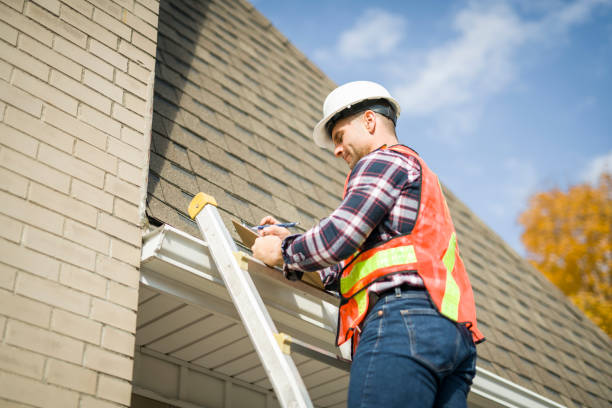
Cost Breakdown for Office Roof Inspections in Middletown
We pulled these numbers from real quotes shared by local business owners across the past 18 months. Prices shift with building size and roof type, but this gives a fair starting point.
| Inspection Type | Average Cost | Time on Site |
| Basic visual inspection (under 2,000 sq ft) | $200 – $400 | 1 to 2 hours |
| Standard inspection with written report | $400 – $700 | 2 to 3 hours |
| Infrared moisture scan | $600 – $1,200 | 3 to 4 hours |
| Drone aerial survey | $300 – $600 | 1 to 2 hours |
| Full commercial assessment (large buildings) | $1,000 – $2,500 | Half to full day |
| Post-storm emergency inspection | $250 – $500 | 1 to 2 hours |
A standard inspection with a written report works for most small office buildings. Infrared scans make sense every three to five years or after major weather events, since they catch hidden moisture that visual checks miss completely.
Budgeting Across the Year
Smart office owners we know break their roof budget into three buckets.
Yearly inspection costs around $400 to $700 for a small office. This is the baseline expense.
Minor repairs and sealant work usually run between $500 and $1,500 per year. Small drain repairs, sealant replacement, and minor membrane patches fall here.
Reserve fund for bigger issues should sit at about 5% to 10% of the roof’s replacement value. For a typical 3,000 square foot flat roof, that means saving roughly $1,500 to $3,000 per year.
We follow this same split for our small commercial property. The yearly cost feels small until you compare it to a single emergency repair.
A Personal Story Worth Sharing
A neighbor of ours owns a dental office in Middletown. He had skipped inspections for six years because the roof “looked fine.” Last summer, his ceiling collapsed in the waiting room during business hours. No patients were hurt, but he closed for nine days, lost over $40,000 in revenue, and paid $18,500 to repair the roof and interior.
When he called for professional roof inspection for office in Middletown, KY the team found that the original damage had started four years earlier from a small drain blockage. A yearly inspection would have caught it during year one for under $500. That single conversation changed how he runs his business expenses now.
Hidden Costs Most Owners Forget
Inspection cost is only one part of the budget. Other expenses can sneak up on small business owners.
Permit fees for any repair work usually run $50 to $200 in Jefferson County.
Tenant disruption costs add up if employees or customers cannot access the building during the work.
Insurance documentation often requires inspection reports going back several years, especially for older buildings.
After-hours work fees apply if you need the inspection done outside business hours. These usually add 25% to 40% to the base price.
Material disposal fees show up on any repair invoice that involves removing old sealant or membrane patches.
Signs Your Office Roof Needs an Inspection Right Now
Some warning signs cannot wait for the yearly visit.
Ponding water that stays for more than 48 hours after rain.
Visible cracks or bubbles in the membrane surface.
Stained ceiling tiles inside the office, even if no active dripping.
Loose or missing flashing around HVAC units.
Higher heating or cooling bills that cannot be explained by weather.
Any of these signs deserve a call within a week. Waiting turns small fixes into full replacements fast.
What to Ask Before Hiring an Inspection Crew
Are you licensed and insured in Kentucky? Real contractors send their certificate of insurance within an hour of asking.
Will the report include photos and a priority list? Plain checklists with no photos are almost worthless.
How long have you worked on commercial roofs specifically? Residential roofers often miss flat-roof issues entirely.
Do you offer infrared scanning or drone surveys? These add value on roofs over 5 years old.
What follow-up do you provide? Some companies include one free re-inspection within a year if repairs are made.
How to Stretch Inspection Value
We always do a few small things before the inspector arrives. These habits save real money.
Clear leaves and debris from drains before the visit. Cleaner drains let the tech see actual seal conditions instead of clogs.
Make a list of any past issues, leaks, or recent storm dates. Sharing this info focuses the inspection on the right areas.
Schedule the visit during dry weather. Wet roofs hide some defects and slow down the work.
Keep all past reports in one folder. Year-over-year comparisons catch slow problems faster than any single visit.
Wrap Up
Office roofs reward owners who plan ahead and punish those who wait. The yearly cost of a real inspection feels small until you compare it against one emergency repair or a single insurance denial. Middletown weather pushes commercial roofs hard with summer heat, spring storms, and winter freeze cycles. The right inspection schedule keeps small problems small, protects your inventory and equipment, and saves thousands every decade. We have watched too many local business owners learn this the expensive way. For honest pricing and full written reports, look into the best roof inspection services cost in Middletown, KY and request a sample report before booking any work.
FAQs
How often should an office building schedule a roof inspection?
Once a year is the standard for most small office buildings in Middletown. Buildings over 15 years old or those with heavy HVAC equipment on the roof may need twice-yearly checks. Post-storm inspections after hail, high winds, or heavy ice loads should also be added. The yearly cost is small compared to a single major leak or insurance claim denial.
Is a drone inspection as good as a walk-on inspection?
Drones work well for spotting visible damage, large debris, and obvious membrane tears, but they cannot press on seams or feel for soft spots. The best approach combines both: drone for overview and walk-on for hands-on checking. Most quality commercial roofers offer both methods and recommend the right mix based on your roof’s age and condition.
Will my insurance company accept any roof inspection report?
Most commercial insurance companies require reports from licensed contractors with photos, dates, and itemized findings. Verbal reports or simple checklists rarely meet documentation standards. Some insurers also require infrared scans every few years on flat commercial roofs. Always ask your insurer for their exact documentation requirements before booking the inspection.
Can I deduct office roof inspection costs on business taxes?
In most cases, yes. Roof inspections fall under regular building maintenance and qualify as a deductible business expense in the year they are paid. Larger repairs may need to be capitalized and depreciated over time. Always check with your accountant for the latest IRS rules, since commercial property tax treatment changes regularly.
What is the difference between an inspection and a roof consultation?
An inspection looks at the current condition of your roof and reports what needs attention. A consultation goes further by giving long-term planning advice, replacement timing, and budget projections. Many small office owners get more value from a yearly inspection paired with a consultation every three to five years. The combination prevents both surprise leaks and surprise replacement bills.
Once a year is the standard for most small office buildings in Middletown. Buildings over 15 years old or those with heavy HVAC equipment on the roof may need twice-yearly checks. Post-storm inspections after hail, high winds, or heavy ice loads should also be added. The yearly cost is small compared to a single major leak or insurance claim denial.
Drones work well for spotting visible damage, large debris, and obvious membrane tears, but they cannot press on seams or feel for soft spots. The best approach combines both: drone for overview and walk-on for hands-on checking. Most quality commercial roofers offer both methods and recommend the right mix based on your roof’s age and condition.
Most commercial insurance companies require reports from licensed contractors with photos, dates, and itemized findings. Verbal reports or simple checklists rarely meet documentation standards. Some insurers also require infrared scans every few years on flat commercial roofs. Always ask your insurer for their exact documentation requirements before booking the inspection.
In most cases, yes. Roof inspections fall under regular building maintenance and qualify as a deductible business expense in the year they are paid. Larger repairs may need to be capitalized and depreciated over time. Always check with your accountant for the latest IRS rules, since commercial property tax treatment changes regularly.
An inspection looks at the current condition of your roof and reports what needs attention. A consultation goes further by giving long-term planning advice, replacement timing, and budget projections. Many small office owners get more value from a yearly inspection paired with a consultation every three to five years. The combination prevents both surprise leaks and surprise replacement bills.